

Fruits of the Spirit: Becoming Fruitful
What Does It Mean to Be Fruitful?

The Fruits of the Spirit aren’t just virtues to admire, they’re evidence of God’s work within our spirits. When we nurture them, we reflect His character and allow others to experience His goodness through us.
Galatians 5:22 reminds us:
“But the Holy Spirit produces this kind of fruit in our lives: love, joy, peace, patience, kindness, goodness, faithfulness, gentleness, and self-control. There is no law against these things!”
This post will help you:
- Understand what it means to bear spiritual fruit
- Reflect on how Jesus modeled these fruits
- Learn practical ways to tend your spiritual garden
What Being Fruitful Really Means
Just like a healthy tree produces visible, abundant fruit, so should we as believers. When your spiritual fruit grows, not only is it a blessing to you, it is most importantly a blessing to everyone around you.
Think about it this way:
- Fruit trees don’t bear fruit for themselves — they produce for others to enjoy.
- Our “fruit” is meant to nourish, uplift, and point people back to God.
- The more we grow in the Spirit, the more evident His work becomes in our lives and the better we can reflect His character.
So the question becomes how can we cultivate and share that fruit?
Focus on the Fruit

Instead of trying to “grow everything at once,” focus on one fruit at a time.
Pick one from Galatians 5:22–23 and do a deep dive:
- How did Jesus demonstrate this fruit?
- Where else in the Bible is this fruit reflected?
- What does it look like to live this fruit out daily?
Journal about one fruit each month. Write out examples from Scripture and practical ways to apply it in your own life.
How to Tend Your Spiritual Garden
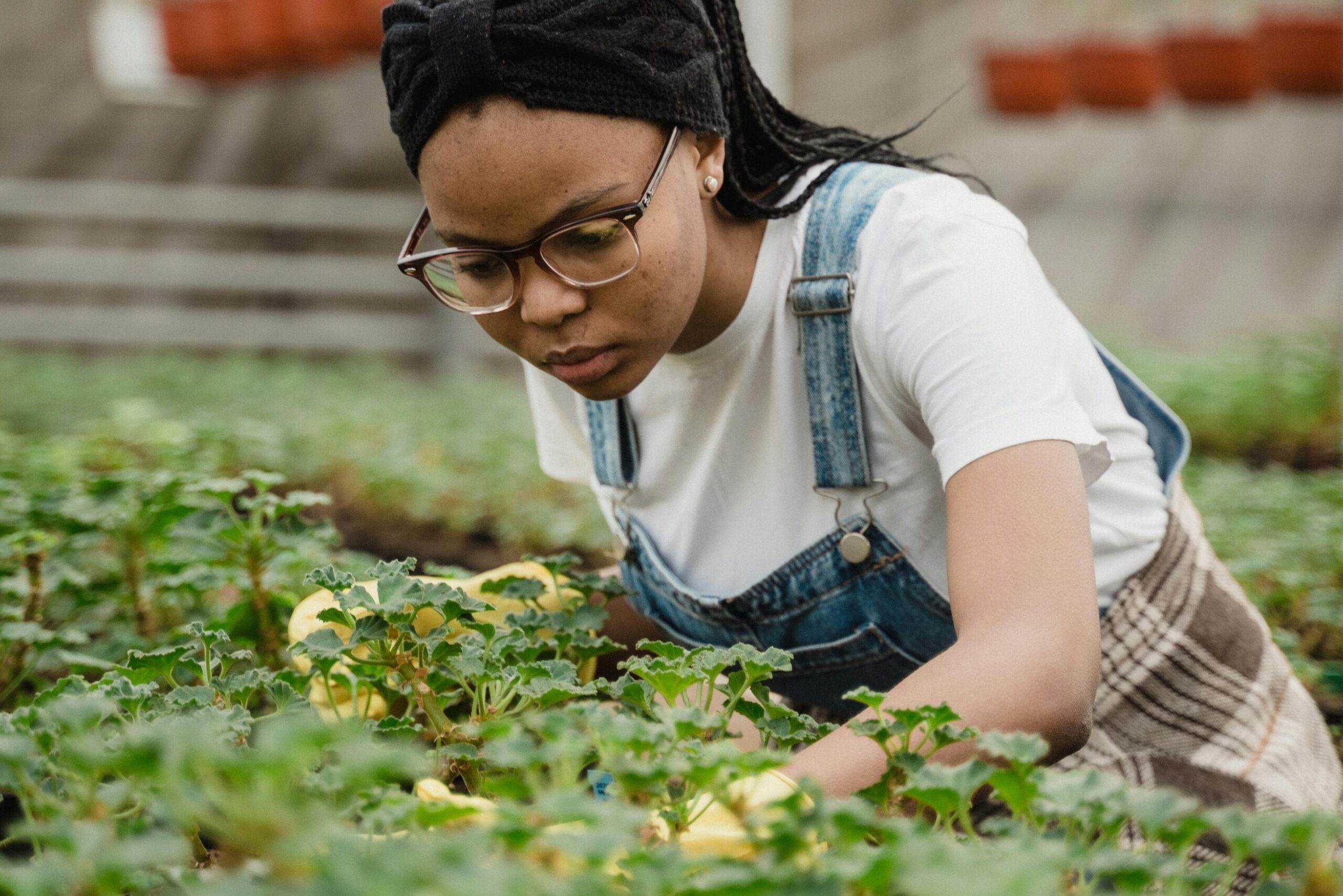
1. Look Within
Ask yourself:
- Who am I today, spiritually and emotionally?
- What’s shaping my thoughts, words, and actions?
- Are there “weeds” habits or mindsets that are choking my growth?
Be honest. Growth begins with awareness.
2. Prune What’s Not Fruitful
Just like a gardener prunes dead branches, we sometimes need to release what’s no longer serving us or honoring God.
That might look like:
- Letting go of resentment or comparison
- Changing your attitude, mindset, or perspectives
- Releasing distractions that steal your peace
- Setting boundaries with negativity
- Asking God for clarity and strength to change
Pruning isn’t punishment, it’s preparation for new growth. Sometimes it can be difficult for us to surrender some of our old ways in order to be fruitful, but we don’t have to try to do this alone. We can submit our struggles to God in a simple prayer, and ask for his help in the pruning process.
3. Nurture Daily
Make fruitfulness part of your daily walk:
- Pray for the Holy Spirit to guide your thoughts and actions
- Spend time in the Word and reflect on its truths
- Speak words that give life, not drain it
- Choose grace over perfection, growth takes time
Each morning, ask, “What fruit can I share today?”
Share Your Fruit with Others
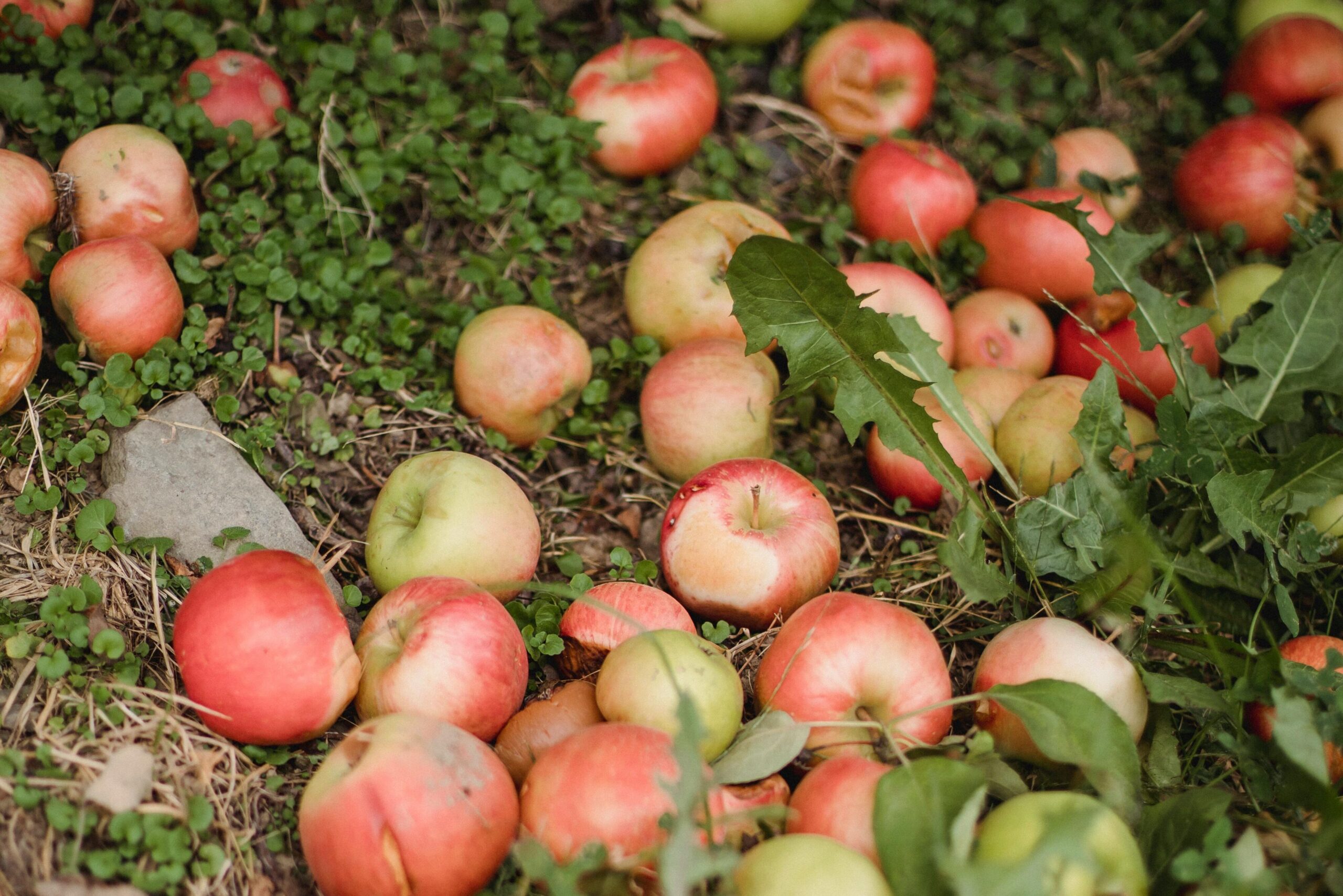
Your spiritual fruit is meant to be shared. Sometimes it’s the smallest acts that carry the biggest impact.
Simple ways to live fruitfully each day:
- Offer a smile or kind word to someone who needs it.
- Be a calming presence in your environment.
- Give a genuine compliment
- Do something thoughtful or helpful without expecting anything in return
- Practice patience in an area of your life where it is needed.
Being fruitful isn’t about perfection, it’s about progress and presence. As you cultivate love, joy, peace, patience, kindness, goodness, faithfulness, gentleness, and self-control, you become a reflection of God’s heart.
Keep tending your garden. Keep sharing your fruit. Because when your spirit grows, so does the world around you. When your fruit is evident, it invites others to experience God’s love through you.
As always take good care and live well nourished.