
Back to the Basics: Protein
Ever feel like everyone’s talking about protein, but no one explains it simply?
Let’s change that.
Protein has been having its main character moment lately (thank you, fitness culture), but it’s so much more than just a “gym nutrient.” Protein is essential for literally every cell in your body, from your hair and hormones to your immune system and muscle repair.
If you’ve ever felt overwhelmed by protein grams, powders, or complicated formulas, this post is for you. Let’s take it back to the basics.
Protein is one of the body’s main building blocks—kind of like the bricks that hold your house together.
These “bricks” are made up of smaller pieces called amino acids.
Here’s the thing:
Protein is one of the body’s main building blocks—kind of like the bricks that hold your house together.
These “bricks” are made up of smaller pieces called amino acids.
- Your body can make some of these amino acids on its own.
- But others? You have to get them from food.
These are called essential amino acids, and they’re crucial for keeping your body nourished and functioning at its best.
When you eat a variety of foods—protein, carbs, fats, fruits, and veggies, you help your body get the full set of amino acids it needs to thrive.
In short: a balanced plate is your best insurance policy for complete nourishment.
Why You (Yes, You!) Need Protein
Let’s get this out of the way: protein isn’t just for bodybuilders or gym goers.
Your body uses protein for so much more than muscle. Protein is also used to:
- Build and repair tissues
- Support a strong immune system
- Maintain healthy blood and hormones
- Help every cell in your body do its job
So yes, protein helps you look strong, but more importantly, it helps you feel strong.
How Much Is Enough? (No Calculators Here)
Here’s where things get tricky, because there’s a lot of conflicting info online.
You’ve probably heard people say you need “1 gram per pound of body weight” or in some cases, maybe even more.
Let’s bust that myth:
More than 1 gram per pound is often way more than your body can actually use, especially all at once. Research shows we can use about 25–30 grams of protein efficiently per meal.
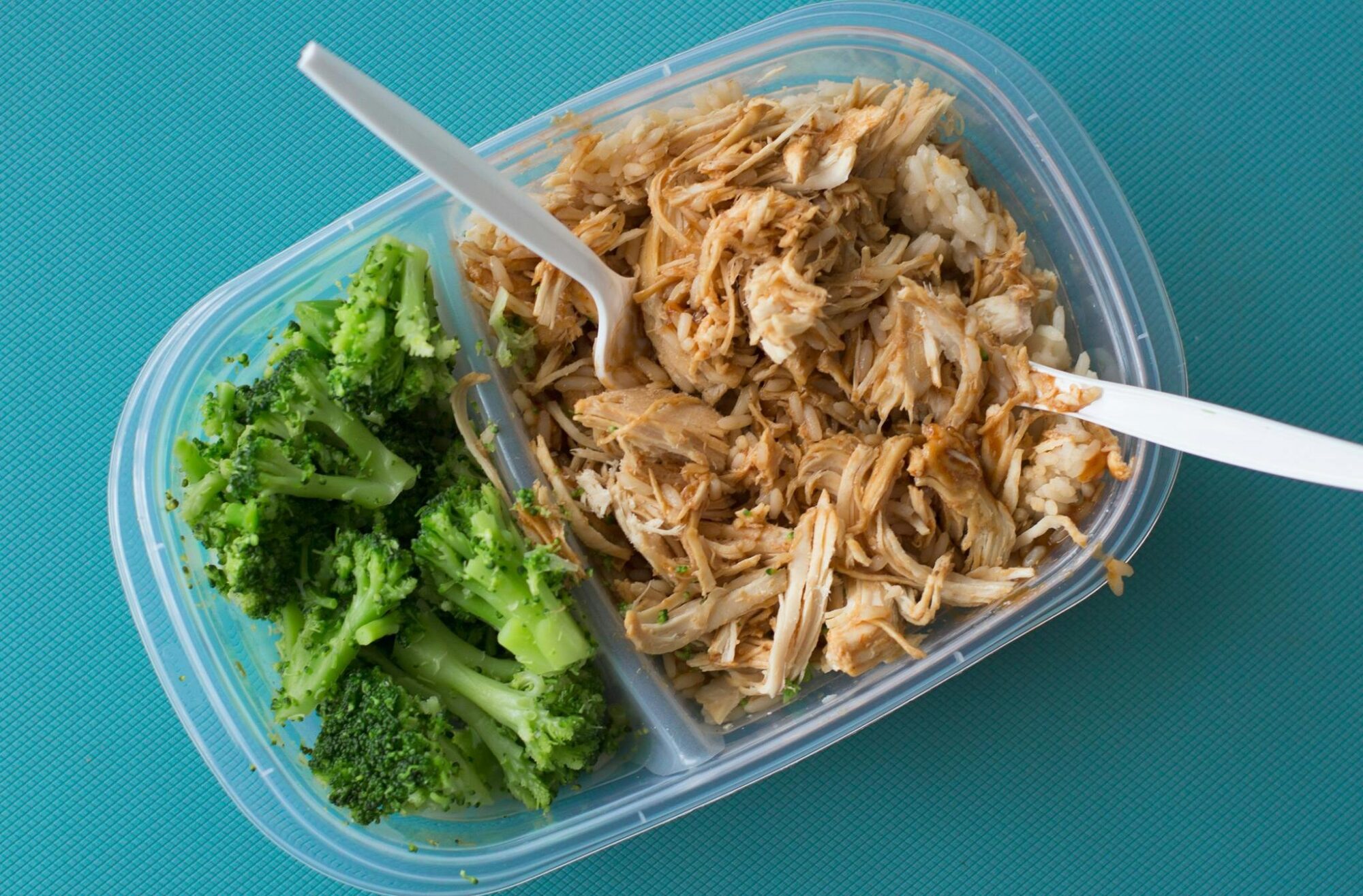
Dietitian Tip: A balanced goal looks like roughly 20–30 grams per meal or simply making protein about ¼ of your plate.
Plant Based Protein
Animal products (like meat, eggs, and dairy) often get the gold star because they contain all the essential amino acids in the right balance—aka, they’re complete proteins.
But that doesn’t mean you can’t meet your needs with plant based foods. You totally can! It just takes a little intention and some smart pairings.
Complete Plant-Based Proteins
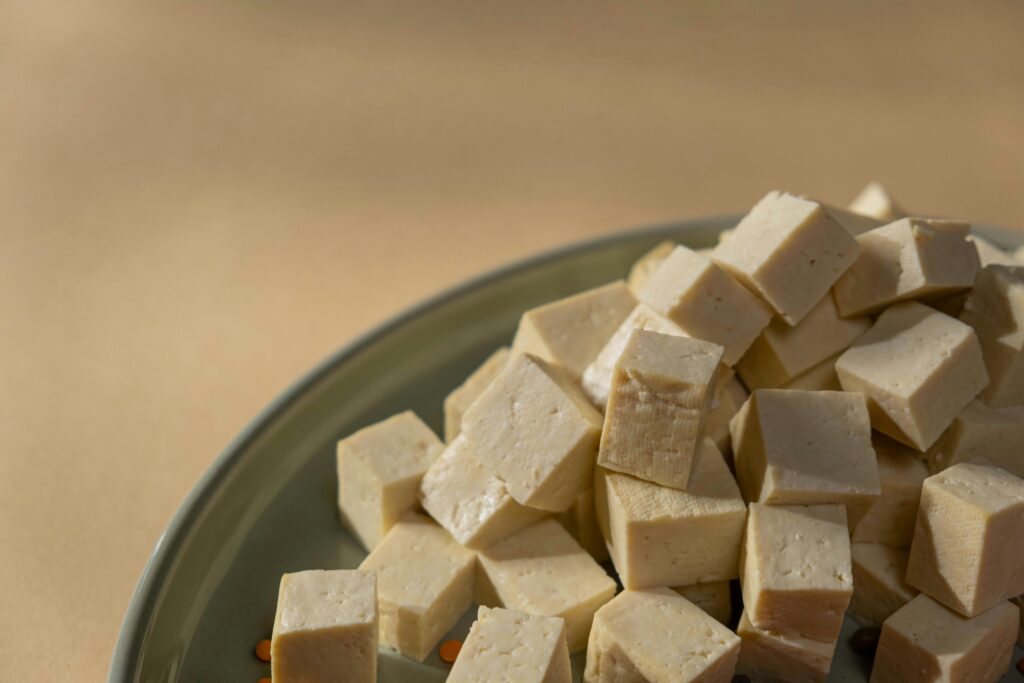
- Soy (tofu, tempeh, edamame)
- Quinoa
- Buckwheat
- Chia seeds
- Hemp seeds
Pair These on Your Plate for a Complete Protein Meal:
- Beans + Rice
- Peanut butter + Whole grain bread
- Lentils + Nuts or Seeds
- Hummus + Whole wheat pita
These combos give you all the amino acids your body needs to build, heal, and energize—without the overwhelm.
Signs You Might Be Under Eating Protein
If you’re not getting enough, your body will let you know.
Watch for these signs:
- Feeling hungry again shortly after eating
- Trouble maintaining strength or muscle tone
- Brittle hair or nails
- Slow recovery after workouts
- Fatigue or brain fog
If that’s you, start by adding a little more protein to each meal before overhauling your whole diet.
Add Protein First

Let’s make this simple: Add a source of protein to each meal, whatever that looks like for you, and build from there. So next time you build your plate, just ask: Where’s my protein?
Grab your free Balanced Plate Guide — a printable resource to help you plan balanced meals with protein portions that nourish your body and support lasting energy. [Download the Balanced Plate Guide here]
You’ll be amazed how much better you feel when you give your body what it truly needs to thrive.
As always, take good care and live well nourished.