
Back to the Basics: Fats for Fuel
For years, fat has gotten a bad reputation. “Low-fat,” “fat-free,” “avoid fried foods”—sound familiar? The message has been pretty loud: fat = bad.
But here’s the truth: fat is essential.
Just like carbohydrates and protein, fats play an important role in helping your body function and feel its best. The key is understanding what kinds of fats fuel your body — and how to include them in a balanced, feel-good way.
In this post, we’re going back to the basics: you’ll learn what fats really are, why they’re so important, and how to enjoy them guilt-free as part of a nourishing, balanced plate.
What Are Fats, Anyway?
Like carbohydrates, fats are long chains of molecules, but they’re more energy=dense and take longer to break down. Because these chains are so long, they’re packed with a lot more energy. That’s why fats help us feel full and satisfied longer after eating.
And just like carbs, not all fats are created equal. You’ve probably heard terms like trans fat, saturated fat, and unsaturated fat. These are just fancy ways of describing how the fat chains are structured and how our bodies digest them.
Here’s the simple breakdown:
- Trans fats: Artificially made fats that are very difficult for our bodies to digest. They’re often found in processed foods and fried items.
- Saturated fats: Naturally occurring fats (like butter or red meat) that are okay in moderation but harder for our bodies to process in large amounts.
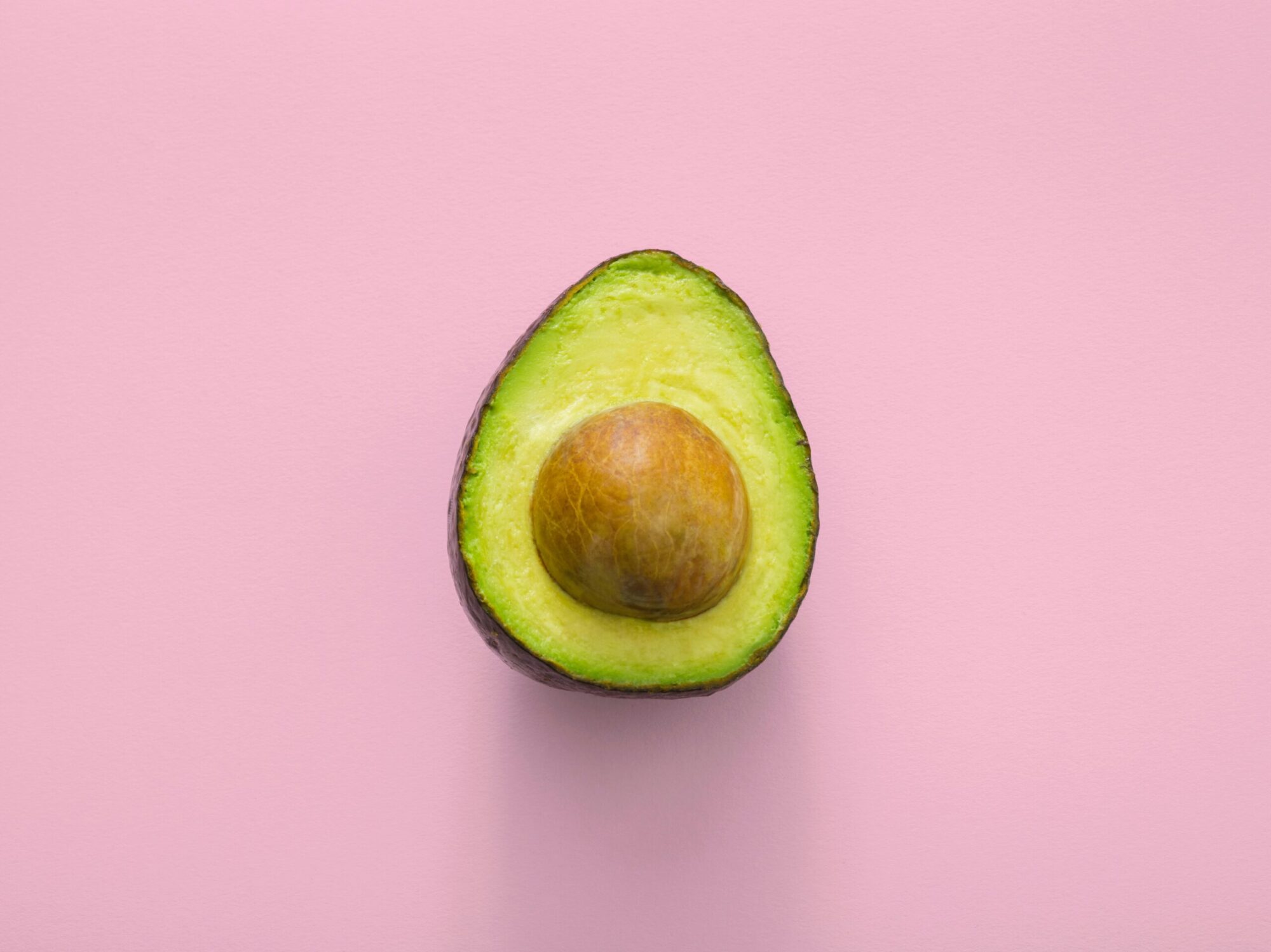
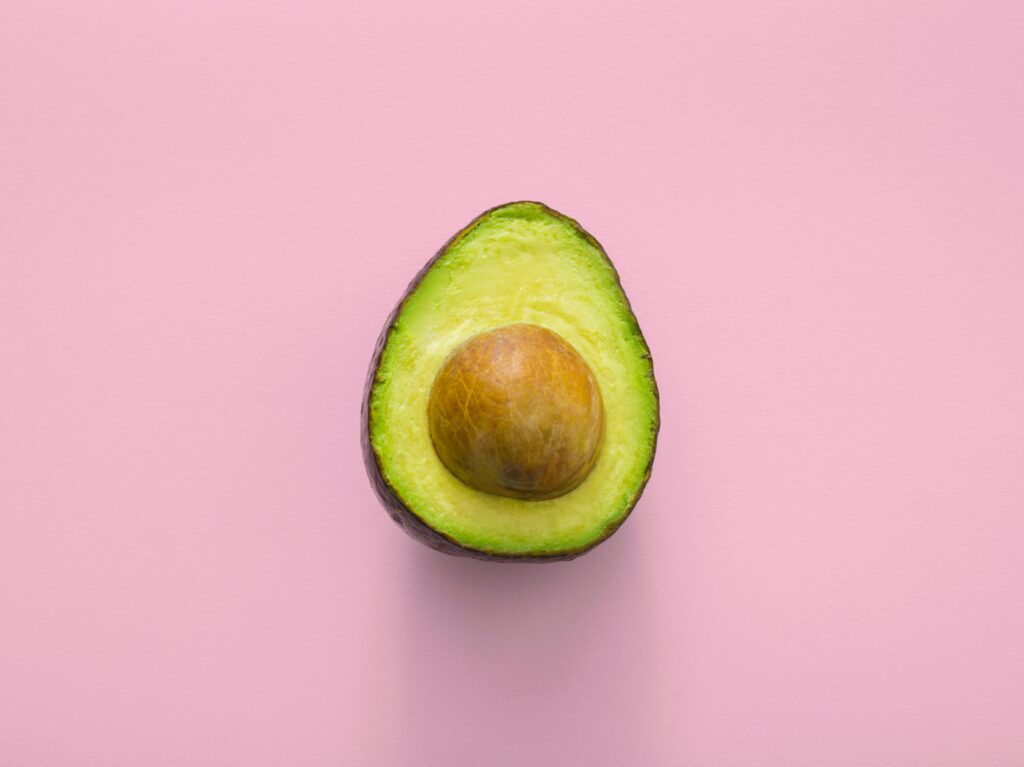
- Unsaturated fats: Fats found in foods like olive oil, nuts, seeds, and avocados. These are easier for our bodies to digest and use efficiently.
Why Fats Matter for Your Health
Fats do a lot more than add flavor or richness to food, and they’re nutrient powerhouses.
Here’s what they do for your body:
- Help absorb vitamins A, D, E, and K. These are fat-soluble vitamins, meaning they need fat to be absorbed properly.
- Support brain health. Fats (especially omega-3s) help with memory, focus, and mood regulation.
- Reduce inflammation. Healthy fats play a role in keeping your cells strong and lowering chronic inflammation in the body.
- Balance energy and blood sugar. Including fat in your meals helps slow digestion, preventing energy crashes after eating.
When we avoid fats altogether, we can end up feeling more tired, moody, or hungry because our bodies aren’t getting the steady fuel they need.
How to Add Fats to Your Diet Without the Guilt

Let’s talk about the elephant in the room: the myth that eating fat makes you fat.
It’s simply not true. What matters is the type and balance of fats you include in your diet. When chosen intentionally, fats actually support a healthy weight, better energy, and even improved mood.
Here’s how to start:
Step 1: Add healthy fats to your meals intentionally.
Try a drizzle of olive oil on your veggies, avocado slices on toast, or a sprinkle of nuts on your yogurt.
Step 2: Prioritize plant and fish-based fats.
These are rich in omega-3s and unsaturated fats that protect your heart and support brain health.
Step 3: Keep portions in check
Fats are more calorie dense, so a little goes a long way. A tablespoon of olive oil or two of nut butter is plenty.
Dietitian Tip: Add one source of healthy fat to each meal. Notice how your energy and fullness improve when you include them regularly.
Common Mistakes (and What to Do Instead)
We’ve all made these — no guilt here!
Mistake 1: Avoiding fats altogether.
Try this instead: Include a source of healthy fat at each meal, it helps you stay satisfied and energized longer.
Mistake 2: Relying on processed fats (fried foods, margarine, packaged snacks).
Try this instead: Swap in whole-food sources like avocado, nuts, seeds, and olive oil for more natural nourishment.
Mistake 3: Labeling fats as “bad.”
Try this instead: Shift your mindset, fats are a tool for nourishment, not something to fear.
Myth Bust: Eating fat doesn’t automatically mean gaining fat. Your body actually needs healthy fats for energy, hormone balance, and cell repair. It’s about type and amount, not fear or restriction.
Simple Ways to Add Fats to Your Plate
Ready to start adding healthy fats without the overwhelm? Try this simple approach:
- Add ¼ of an avocado to your plate.
- Drizzle 1 tbsp olive oil over cooked veggies or salads.
- Include salmon, tuna, or sardines 1–2 times a week if you like seafood.
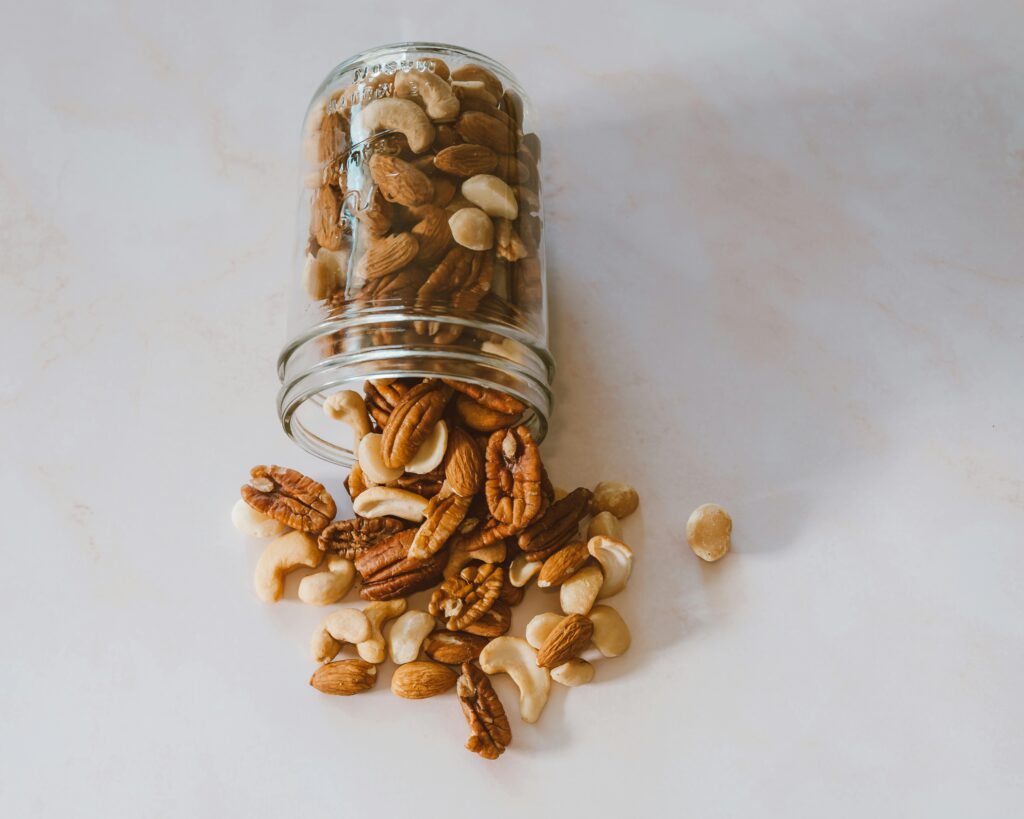
- Keep a serving of nuts or trail mix handy for a balanced snack.
- Focus on variety, mixing different fat sources gives your body a full range of nutrients.
Small changes, big difference.
Want a visual guide to building balanced meals with carbs, protein, and fats all working together? Download your Balanced Plate Guide to learn how to portion your meals, choose healthy fats, and nourish your body with confidence .
[Grab your free Balanced Plate Guide here
Fueling with Fats to Flourish
When we learn how to choose the right fats and include them intentionally, we move away from guilt and confusion and closer to confidence and nourishment.
Remember: balanced eating isn’t about restriction — it’s about rhythm.
Give your body what it needs, honor how it feels, and watch your energy, mood, and mindset thrive. Because wellness doesn’t come from cutting things out… it comes from adding in what helps you flourish.
As always, take good care and live well nourished.